Why Industrial Real Estate Outperformed Almost Everything Else This Cycle
3 min read137 views
Every property type took a hit somewhere in the last several years. Industrial is the one that came out the other side stronger than it went in. While office vacancy sat at 18.3% in the second quarter of 2026 and multifamily wrestled with a wave of newly delivered, unleased units in Sun Belt markets, industrial vacancy tightened to 5.8% in the same period, according to JLL, with big-box leasing activity up 58.3% year-over-year. That's not a modest divergence. That's a different market entirely.
The Numbers Tell a Consistent Story
CBRE's Q2 2026 data put industrial vacancy at 6.5%, falling on the back of big-box demand, slower construction, and a wave of lease renewals. JLL's figures for the same period show industrial leasing volume surging to 175.7 million square feet, up 49.4% year-over-year and the strongest quarterly performance in more than three years. Net absorption nearly doubled quarter over quarter to 99.1 million square feet. Different data providers, same direction: industrial demand accelerated sharply through the first half of 2026, and the space available to absorb it kept shrinking.
Supply Discipline Did Almost as Much Work as Demand
Part of what makes this cycle different from the last one is that industrial developers pulled back hard on speculative construction. CBRE reported space under construction fell to its smallest pipeline since 2019 heading into the year, and lenders have tightened financing requirements enough that building without a signed tenant has become uneconomical in most markets. Less speculative supply meant the leasing surge translated directly into vacancy compression instead of getting absorbed by buildings sitting empty and waiting for a tenant. Moody's projects roughly 3% annual rent growth for industrial in 2026, the highest across all commercial property types.
E-Commerce Fulfillment Is the Demand Driver, But Not the Only One
The obvious explanation for industrial's strength is e-commerce fulfillment, and that's real: last-mile delivery infrastructure needs warehouse space close to population centers, and that demand hasn't slowed. But JLL's data points to a second driver gaining ground, reshoring of manufacturing operations and growth in third-party logistics outsourcing, both of which show up in CBRE's 2026 outlook as expected contributors to leasing volume through the rest of the year. Occupiers are also prioritizing power availability and automation-ready specifications over cheaper rent in older buildings, a flight-to-quality pattern that mirrors what's happening in office, just with industrial's overall fundamentals starting from a much stronger position.
Not Every Industrial Building Is Winning Equally
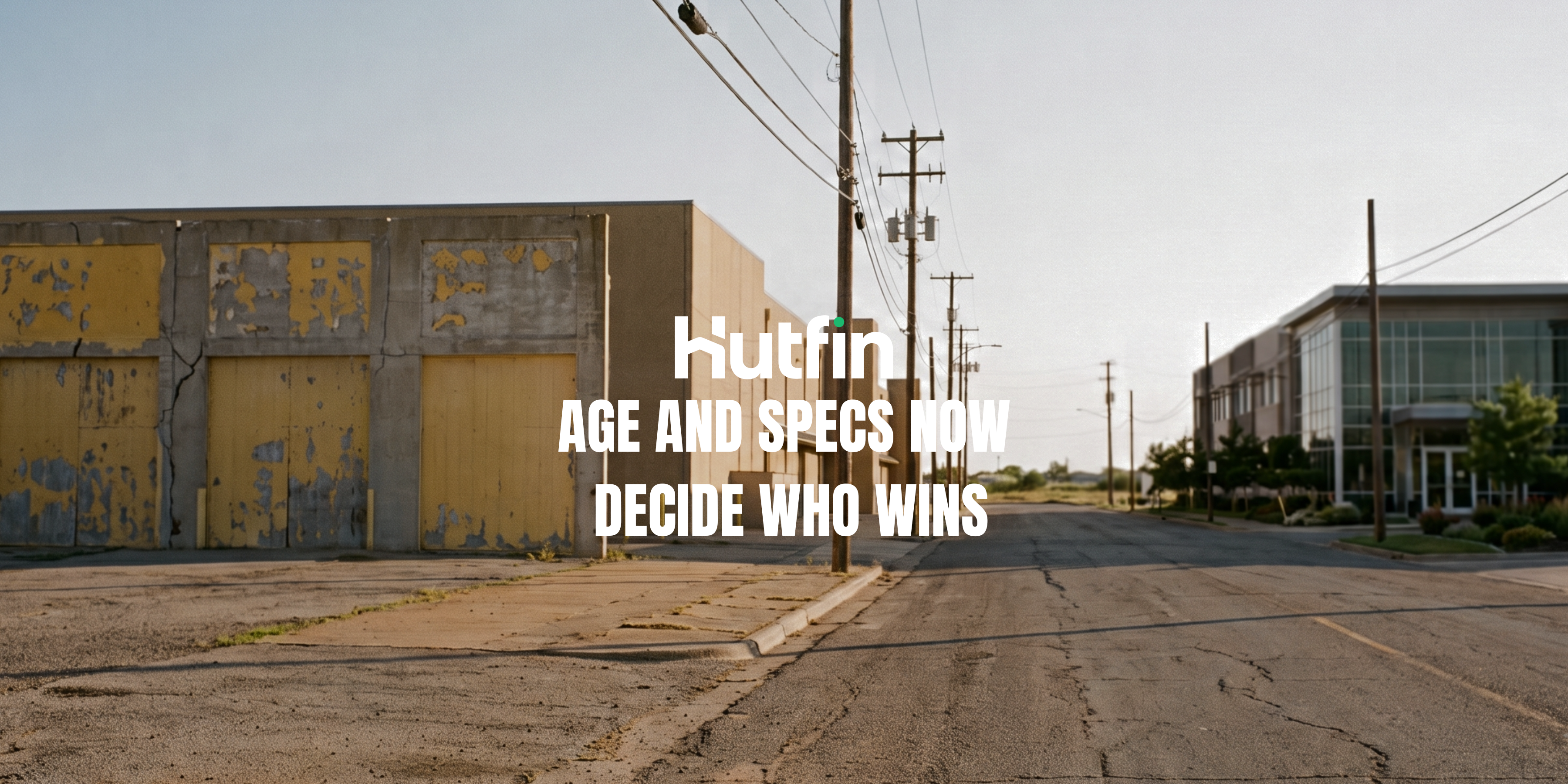
The flight-to-quality dynamic matters here the same way it matters in office. Older, pre-2020 industrial buildings saw over 100 million square feet of negative absorption last year as tenants moved out toward newer, better-located, higher-spec space. An industrial asset's age and specifications, clear height, dock door count, power capacity, matter more now than they did when almost any warehouse could find a tenant. The headline vacancy number is strong, but it's being carried by newer product, not by the entire inventory equally.
What This Means for a Buyer or Broker Right Now
The takeaway for underwriting isn't that industrial is a safe bet across the board. It's that industrial's fundamentals, tight vacancy, positive rent growth, disciplined supply, give a buyer or broker more room for error than office or struggling multifamily submarkets currently offer. But the same tiering that separates prime office from the rest of the market is starting to show up here too. A newer, well-specified industrial building in a strong logistics corridor and an aging warehouse with low clear height are technically the same asset class and increasingly different investments. Clear height, dock configuration, and building category are already structured details on Hutfin listings, which makes that comparison something a buyer can start before ever picking up the phone.
Browse industrial listings at hutfin.com.