Clear Height, Loading Docks, and the Industrial Specs Nobody Explains
Walk into most CRE conversations about industrial property and the specs get thrown around like everyone already knows what they mean. Clear height. Dock doors. Space type. For a buyer or broker coming from office or retail, these terms carry real weight in industrial and almost none of it gets explained plainly. Here's what actually matters, and where to actually find it.
Clear Height Determines How Much Building You're Actually Buying
Clear height is the unobstructed vertical space from the warehouse floor to the lowest point of any overhead obstruction, sprinkler lines, beams, lighting. It's what determines how much racking a tenant can actually install. A building with 32-foot clear height can support taller storage systems than one with 16 feet, even if the roofline looks similar from outside. Modern big-box tenants increasingly specify minimum clear heights before they'll even tour a building, which is part of why older, lower-clearance warehouses are losing tenants to newer product, the pattern covered in the previous piece in this series. It's also one of the first things worth checking on a listing before scheduling a tour at all.
Dock Doors Are the Building's Throughput Capacity
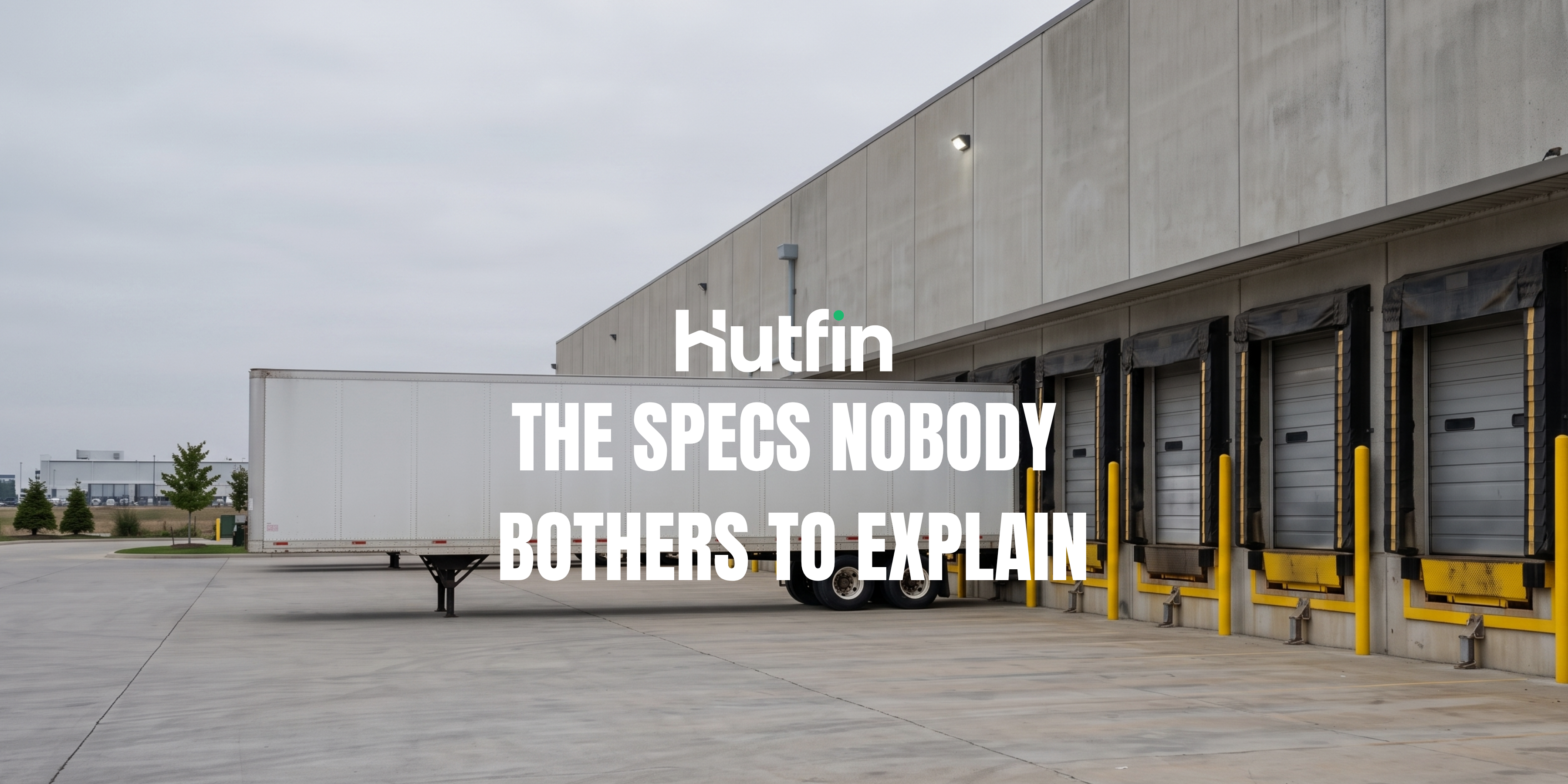
Dock door count and configuration determine how fast trucks can load and unload, which for a logistics or fulfillment tenant is close to the whole point of the building. Dock-high doors, positioned to meet a trailer bed at loading height, are standard for most modern industrial use; grade-level doors and loading docks, positioned closer to ground level, matter more for drive-in access and certain manufacturing uses. Confusing the two, or not confirming which a specific building has, is a common and avoidable diligence gap, and it's exactly the kind of detail that should be visible on a listing rather than something a buyer has to chase down after the fact.
Space Category Tells You What the Building Was Actually Built For
Industrial isn't one use case wearing different labels. A distribution center, a cold storage facility, a manufacturing plant, and a data center all fall under "industrial" and all have almost nothing in common structurally. A cold storage building needs insulation and refrigeration infrastructure a distribution warehouse never touches. A data center's power and cooling requirements make a standard warehouse's electrical service look almost residential by comparison. Knowing which category a building was actually built for, not just that it's zoned industrial, is the first filter that should happen before clear height or dock count even enter the conversation.
Proximity to Freight Infrastructure Is Its Own Spec
A warehouse with perfect clear height and dock configuration still underperforms if it sits an hour from the nearest rail line or freight port. Proximity to freight rail, commuter rail, and port access functions as a location-level spec the same way clear height functions as a building-level spec, and it matters most for distribution and logistics use specifically, less for manufacturing or flex space where the building's own capabilities carry more weight.
What Still Belongs in a Direct Conversation with the Broker

Not every industrial spec lives in a structured field, and it shouldn't have to. Column spacing and power capacity, both real factors in whether a building suits an automation-heavy or high-draw tenant, typically live in as-built plans and utility records rather than a standard listing summary. That's the right kind of detail to bring straight to the listing broker once the structured fields have already told you the building is worth a closer look.
What's Already on the Listing
Clear height, dock configuration, and space category, the specs that matter most for a tenant's day-one usability, are structured fields on Hutfin listings, not buried in an attachment or left for a phone call. A listing tagged with ceiling height, dock-high doors or loading docks, and a specific category like cold storage, distribution, or flex space tells a buyer in seconds whether a building clears the bar before they invest time in a site visit, and location amenities covering freight port, rail, and commuter access add the logistics context that matters for that same decision.
Browse industrial listings with clear height, category, and dock details at hutfin.com.