
Is Office Real Estate Actually Recovering? The Straight Answer
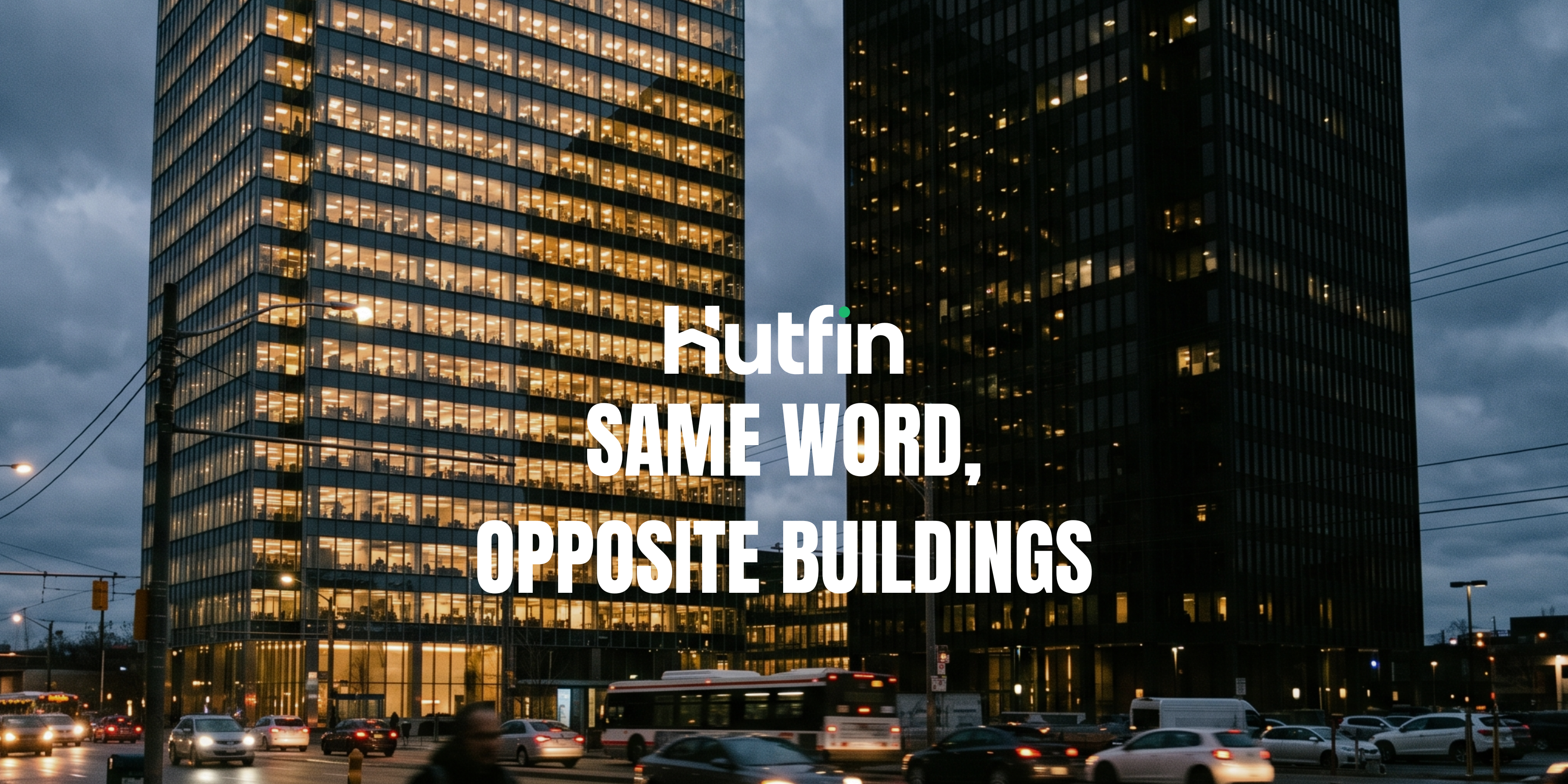
Every few months, a headline says office is "coming back."
Then another headline says office is "still in crisis."
Both are true, depending on which building you're standing in. That's the whole answer, and it's worth actually understanding instead of picking whichever headline confirms what you already believed.
The Short Answer
Office isn't recovering. It's splitting.
The top of the market is doing better than it has in years. The bottom is still bleeding. Averaging the two together produces a number that describes neither.
The National Number Everyone Quotes
Office vacancy nationally sits around 17.8% to 18.6%, depending on the source. That's the number that gets repeated in every "office is dying" headline.
Here's what that number hides.
The Number That Actually Matters
Prime office vacancy is running at roughly 12.7%, nearly six points lower than the headline figure. In Manhattan specifically, prime vacancy has fallen to around 2.9%. That's not a soft market. That's a market with almost nothing left to lease at the top.
Texas trophy office is posting stabilized vacancy around 7%, while the broader Class A cohort in the same state has bled hard. Same state, same asset class label, two completely different markets.
Do the Comparison
- National headline vacancy: ~18%
- Prime/trophy vacancy: ~7% to 13%
- Manhattan prime vacancy: ~3%
- Older Class B/C space in weak submarkets: still climbing, in some metros above 25% to 30%
Four numbers. One word, "office." That's the problem with treating this sector as a single market.
What's Actually Driving the Split
Tenants are right-sizing their footprints and using the savings to upgrade quality. A company cutting square footage by 20% but moving into a trophy building isn't a sign office demand is dying, it's a sign tenants are being pickier about which office they're willing to pay for.
That's why trophy and Class A buildings in gateway and strong Sun Belt markets are seeing rents climb to record highs even while the national vacancy number looks ugly. The demand didn't disappear. It concentrated.
Why the Refinancing Wall Makes This Split Sharper, Not Softer
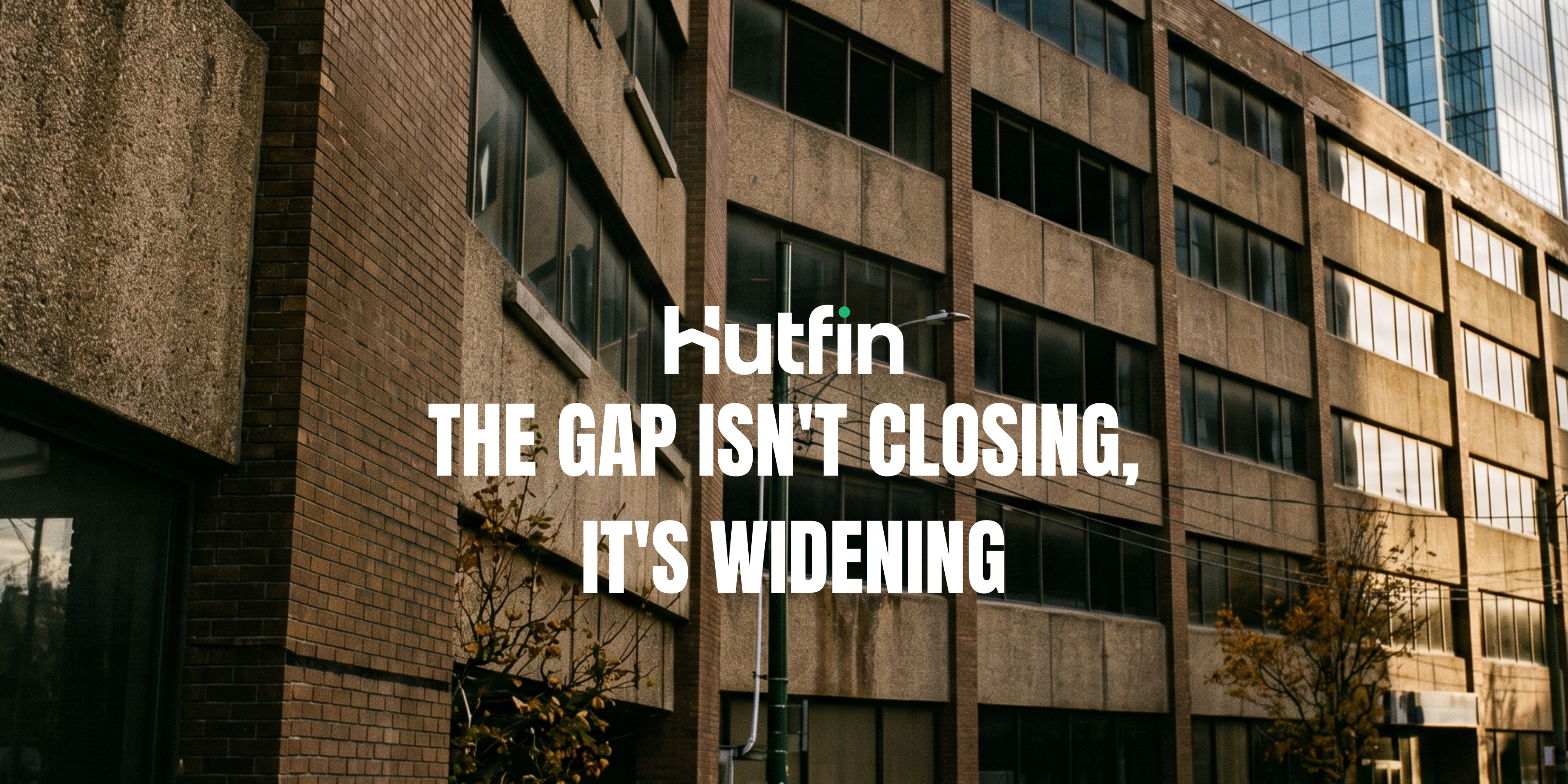
Roughly 17% of office mortgage balances are set to mature this year, and non-prime assets are facing real refinancing risk with no clean debt solution in sight. That means the weakest buildings in this split aren't just underperforming, they're running out of runway. The gap between trophy and everything else isn't closing. It's about to get wider as distressed non-prime buildings get forced to a decision point.
Recap
- National office vacancy looks bad because it averages two opposite stories together.
- Prime and trophy space is tight, in some markets historically tight, and commanding record rents.
- Older, lower-tier office in weak submarkets is still losing tenants and still climbing in vacancy.
- Nearly a fifth of office debt is maturing this year, and it's the non-prime buildings that are exposed.
Final Word
Stop asking "is office recovering."
Ask "which office."
The answer changes everything about whether a specific building is a buying opportunity or a building you should stay far away from.
Browse commercial real estate listings at hutfin.com.