Medical Office Space Marketplace for Lease
5 min read16 views
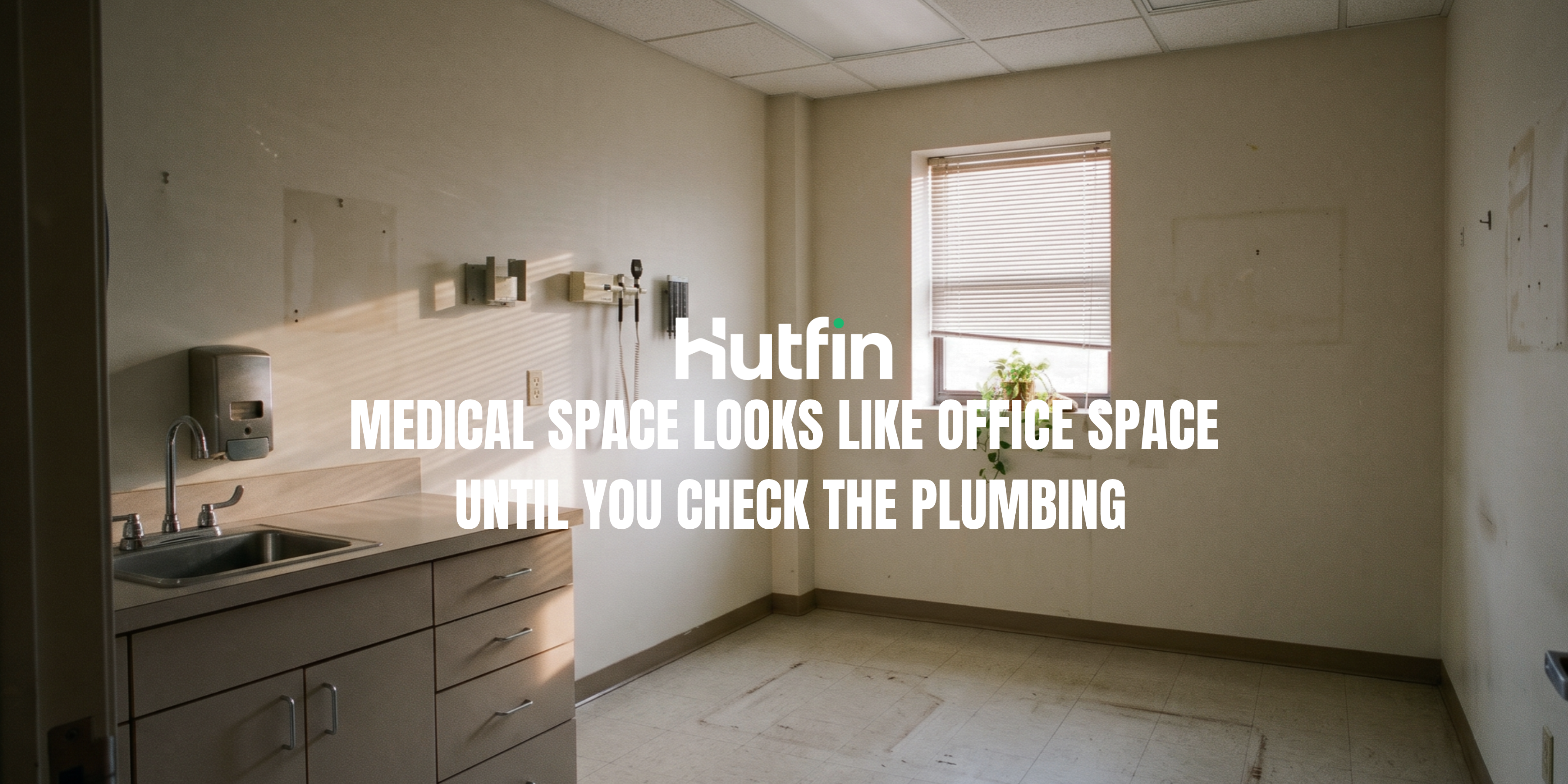
Medical office space can look like any other office on a listing, but it isn’t built the same way. Exam rooms need sinks, imaging rooms may need shielding, and patients need parking and an accessible entrance. A space that suits an accounting firm can cost a clinic months of construction before it opens.
This guide is for doctors, dentists, therapists, and other healthcare tenants searching commercial real estate listings for space to lease.
The Short Answer
Look for second-generation medical space (a former clinic or practice) in a building where medical use is allowed, with enough parking and an accessible entrance. Before you sign, confirm the plumbing, power, and HVAC fit your practice, and negotiate the build-out allowance, the length of the lease, and your right to transfer it if you sell the practice.
How Medical Office Space Differs From Regular Office Space
- Plumbing: most exam rooms need a sink, and practices often need extra restrooms. Running new plumbing lines through a floor built for desks is one of the most expensive parts of a medical build-out.
- Power and equipment: imaging, sterilization, and lab equipment can need dedicated circuits. X-ray rooms may need lead shielding, which your state’s radiation control program regulates.
- HVAC: procedure rooms and labs may need more air changes or separate exhaust than a standard office system provides.
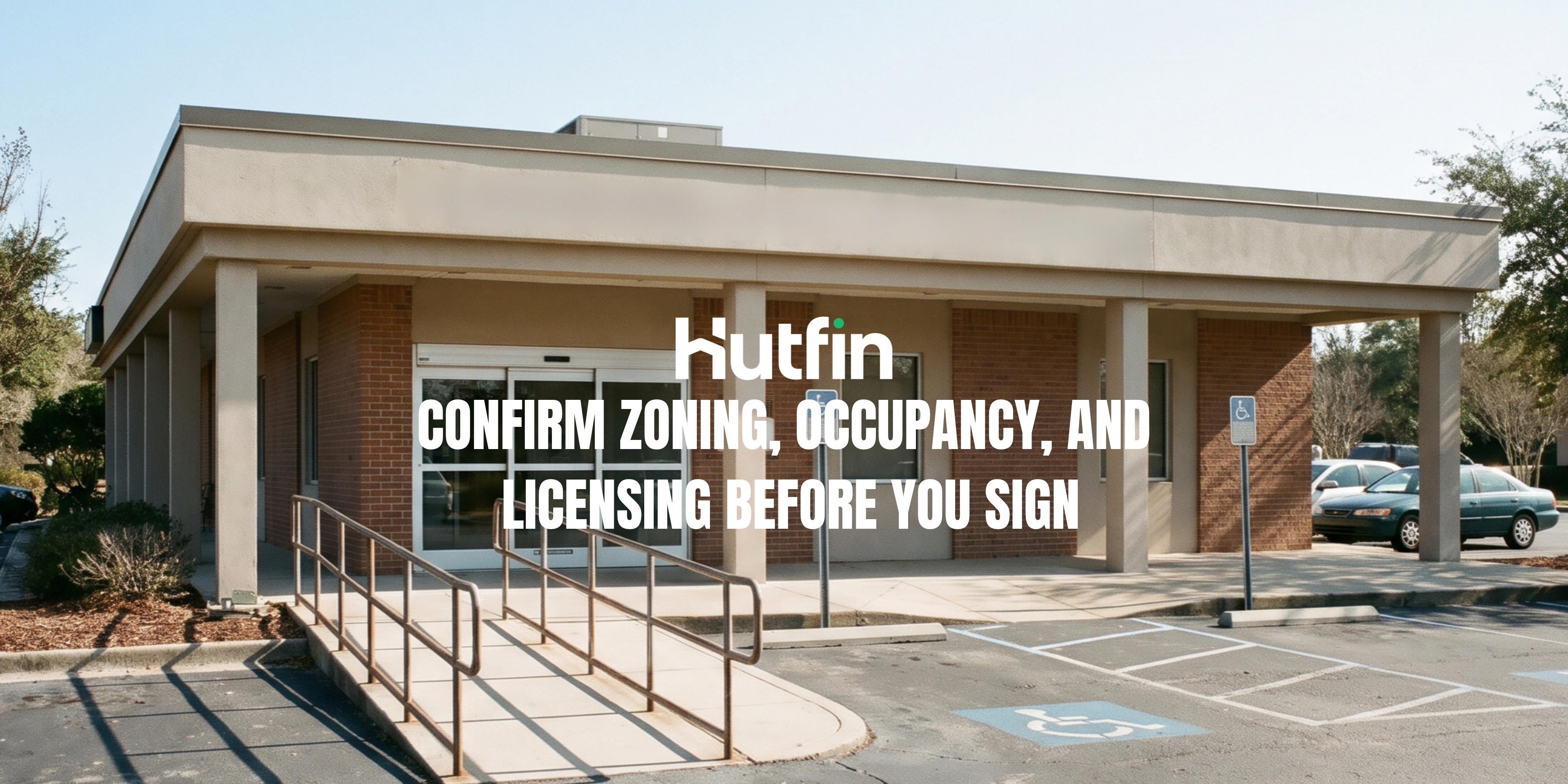
- Accessibility: under the ADA, the office of a health care provider is a place of public accommodation, so entrances, restrooms, and exam rooms need to meet Title III requirements.
- Parking and access: patients arrive by car, often with mobility needs, and stay for appointments, so medical offices usually need more parking than a typical office, close to the door.
- Privacy: the layout should keep check-in and waiting room conversations apart from exam rooms.
Move-In Ready, Second-Generation, or Shell?
- Move-in ready: built out for medical use and recently occupied by a similar practice. It’s the fastest option, but the layout may not match how you work.
- Second-generation: former medical space that needs some changes. Plumbing and walls can often be reused, which usually makes it the best value.
- Shell: space that has never been built out. You control the layout, but it takes the longest and costs the most, so the landlord’s build-out allowance matters a lot.
When a listing says “medical” or “former clinic,” ask what’s actually in place: how many exam rooms have sinks, how much electrical capacity there is, and when the space was last used.
Zoning and Licensing Checks
- Zoning: many local codes treat a medical office or clinic as a different use from a general office, with its own parking requirement. Confirm with the city planning office that your use is allowed at the address.
- Certificate of occupancy: converting office space to medical use can require a new one, which can trigger building code upgrades.
- State licensing: some practice types, such as surgery centers and labs, need facility licenses or inspections tied to the space itself. Check with your licensing agency before you sign.
- Building rules: some buildings limit medical uses, or certain kinds of them. Ask the landlord early.
Lease Terms Healthcare Tenants Should Negotiate
- Tenant improvement allowance: how much the landlord pays toward the build-out, and who manages construction.
- Term and renewal options: build-outs are expensive, so practices often want a longer term with renewal options to protect that spend.
- Assignment: the right to transfer the lease if you sell the practice or bring in partners.
- Exclusive use: a clause that stops the landlord from leasing to a competing practice in the same building.
- After-hours HVAC: extra heating and cooling charges add up if you see patients early, late, or on weekends.
- Medical waste and signage: who arranges waste disposal, and where your sign can go.
- Landlords who could refer patients: if the landlord is a hospital or another provider who could send you patients, federal fraud and abuse laws apply, and the lease should generally be in writing and at fair market value. Have a healthcare attorney review it.
How to Search Commercial Real Estate Listings for Medical Space
- Filter by property type: choose medical first, then widen to office if results are thin. Plenty of good second-generation space is listed simply as office.
- Search the words brokers use: medical office, MOB (medical office building), clinic, former dental, and second-generation medical.
- Read the details: look for exam room count, sinks, parking, and the date the space is available.
- Check the map: distance to hospitals you work with, to where your patients live, and to transit.
- Compare rent the same way: per square foot per year, and whether it’s gross or net. Our guide to office space for small teams explains what the rent number includes.
- Contact the listing broker directly: send your must-haves (size, exam rooms, parking, move-in date) in the first message.
If you’d rather own than lease, see whether it’s better to buy or lease commercial space and how an SBA 504 loan works for practices buying their own building.
Where Hutfin Fits
Hutfin is a commercial real estate marketplace for buying, selling, and leasing property across the US. More than 10,000 commercial properties have been listed on Hutfin.
- Free to browse: prices and property details are free to view
- Location context: every listing shows a map, nearby transit, and how long it’s been on the market
- AI search and property briefs: describe what you need in plain words, and get a quick AI summary of each listing
- Alerts: save a search and get an email when a matching listing goes up
- Direct contact: deal directly with the listing broker or owner
Start with medical office space for lease in your city, and save the search so new listings come to you.
Recap
- Medical space needs plumbing, power, HVAC, accessibility, and parking that regular office space often lacks
- Second-generation medical space is usually the best value; shell space costs the most to build out
- Confirm zoning, the certificate of occupancy, and any state facility licensing before you sign
- Negotiate the build-out allowance, term, assignment, exclusive use, and after-hours HVAC
- If your landlord could refer patients to you, the lease generally needs to be at fair market value
Final Word
The right medical office is the one your practice can open in without surprises. Read listings for what’s already built, check zoning and licensing early, and negotiate the lease around the build-out you’ll need.
This article is general information, not legal advice. Zoning, licensing, and healthcare rules vary by state and city; check with local officials and a healthcare attorney. Details are accurate as of November 2026.